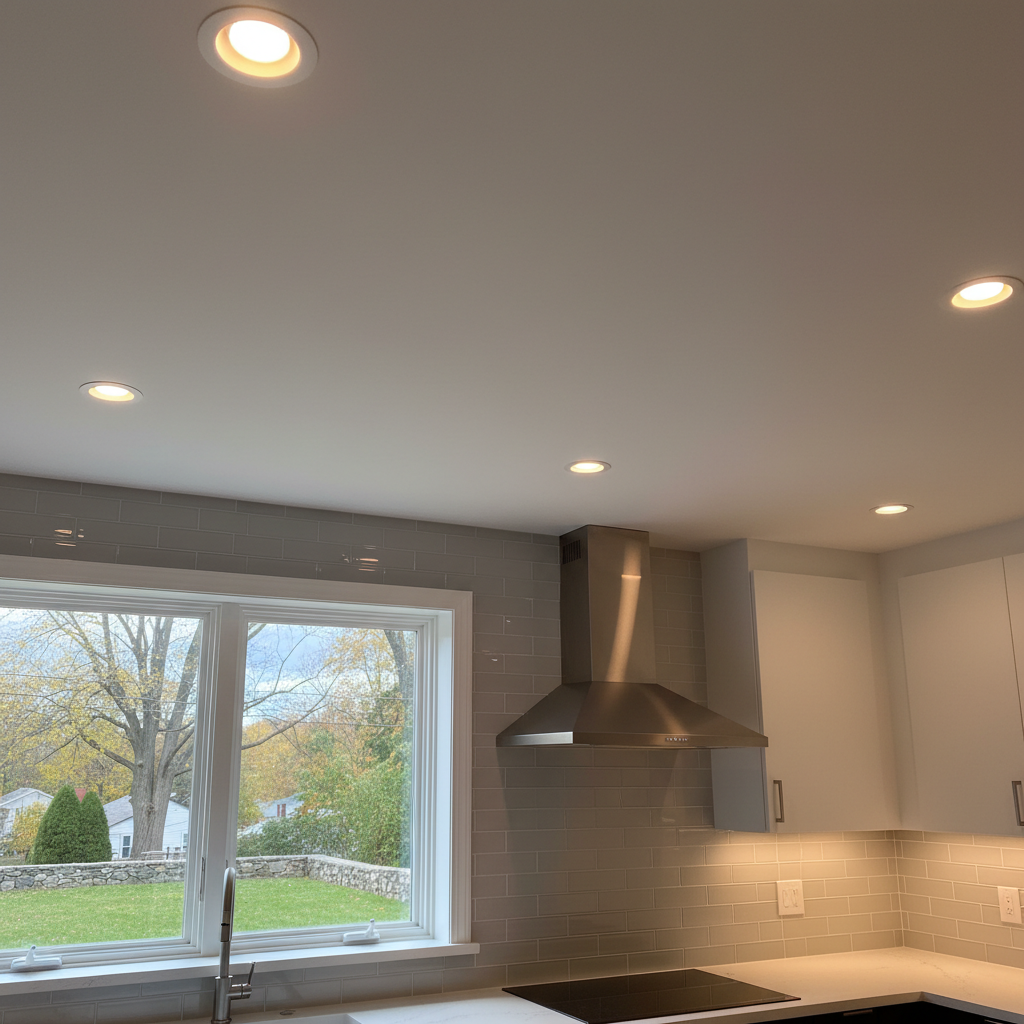
Kitchen lighting in Waterbury takes a beating day in and day out. Between the steam from boiling pasta, the grease floating up from the stove, and the massive temperature shifts we get here in Waterbury—think freezing winter drafts creeping through older window frames followed by sticky, humid July heat—fixtures work harder than people think. Alpha Kitchens knows that if you want to keep your kitchen from turning into a dimly lit cave, you must stay on top of basic upkeep.
How to Extend the Life of Your Fixtures
Most people never touch their light fixtures until a bulb burns out. That is a mistake because dust and grease love to bake onto glass covers and LED diodes, trapping heat and shortening the lifespan of the components. Every few months, take down the glass globes or wipe down your under-cabinet strips with a damp microfiber cloth and some mild dish soap. Make sure the power is off first. For under-cabinet LED setups, which Alpha Kitchens installs in a lot of the historic triple-deckers and split-levels around the East End, keeping those heat sinks clean prevents premature burnout.
What Regular Maintenance Looks Like
Maintenance does not mean rewiring your kitchen every weekend. It means taking ten minutes to check things over. Swap out old incandescent or failing CFL bulbs for quality LEDs because they run cooler and handle voltage fluctuations much better. Tighten up any loose canopy screws on your ceiling pendants, especially if they hang near a heavily trafficked breakfast nook where vibrations from walking upstairs can rattle hardware loose over time.
Warning Signs You Shouldn't Ignore
Do not wait for a total blackout to deal with electrical issues. Here are the red flags we look for when we are out on jobs:
- Flickering or buzzing switches when you turn on the overhead lights.
- Discoloration or yellowing plastic around recessed cans.
- A fixture that feels unusually hot to the touch.
- Bulbs burning out much faster than their rated lifespan, which usually points to a bad connection or wiring issue.
When to Call a Professional
If you are just swapping a bulb or wiping down a cover, you can handle it yourself. But the second you smell something unusual—like a faint burning plastic smell near a switch plate—or your circuit breaker trips every time you flip on the kitchen lights, stop what you are doing. Older homes across Waterbury often still have aging wiring that is not built to handle modern multi-zone kitchen setups. At Alpha Kitchens, we regularly see DIY wiring jobs that cut corners and ended up melting behind the drywall. If a fixture needs replacing or you are dealing with flickering circuits, get an electrician out there before a minor annoyance turns into a major safety hazard.