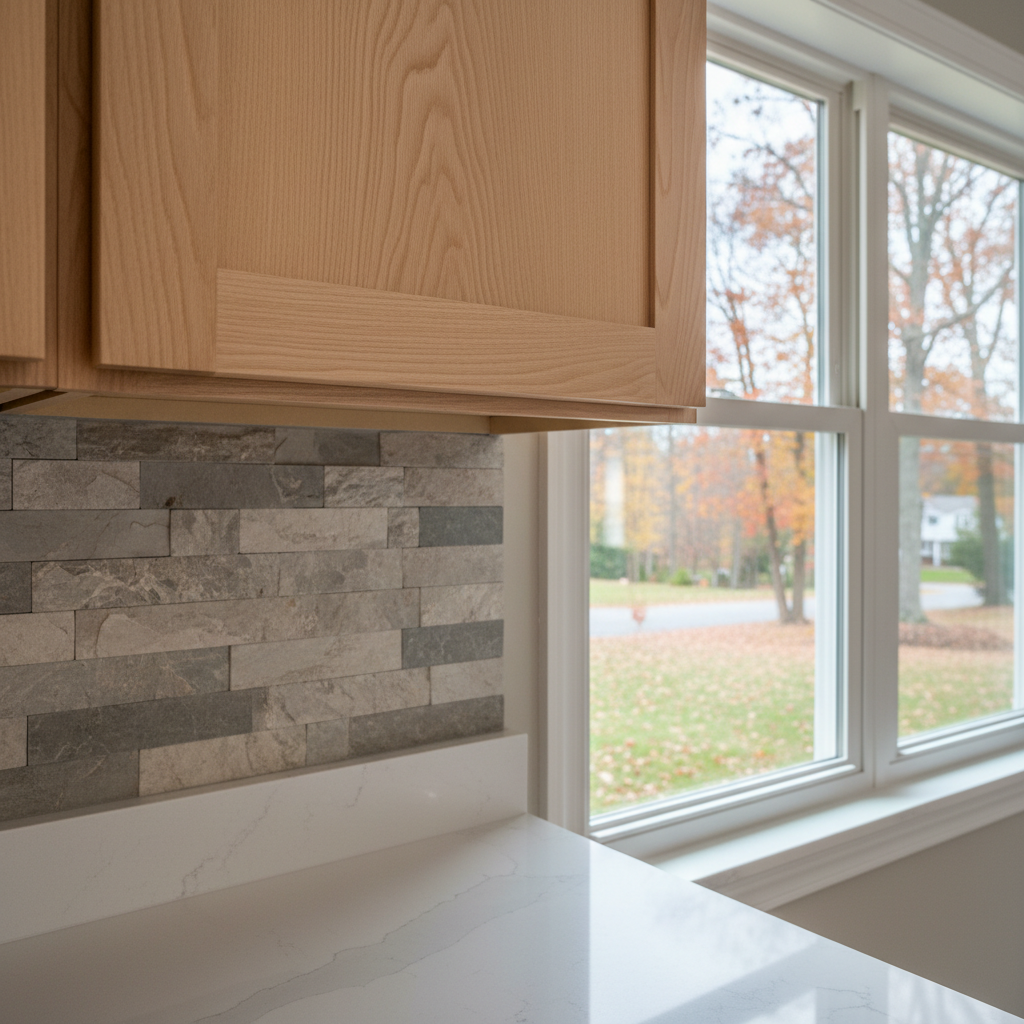
Alright, let's talk kitchen cabinets. You're probably looking at your kitchen, maybe in a classic colonial in the Bunker Hill neighborhood, and thinking, "It's time for an upgrade." New cabinets can totally transform a space, no doubt about it. But then the big question hits you: can I install these myself, or do I need a pro?
Before You Even Think About Tools
Before you even unbox a single cabinet, there's some critical prep work. This isn't just about aesthetics; it's about making sure your new cabinets fit and function right. First off, measure everything. And I mean everything. Twice. Or three times. Get the exact dimensions of your kitchen walls, ceiling height, windows, doors, and any appliances. Don't forget to account for things like crown molding or light fixtures that might interfere with upper cabinets.
Next, think about the layout. Are you keeping the same footprint, or are you moving things around? If you're relocating sinks, stoves, or dishwashers, you're not just installing cabinets; you're getting into plumbing and electrical work. That's usually where the DIY line starts to blur, and you might need a licensed pro for those specific trades, even if you plan to do the cabinet install yourself.
Also, check your walls. Are they plumb and level? In some older Waterbury homes, especially those built before the 1950s, you might find walls that aren't perfectly straight. This can be a real headache during installation. You'll need to shim out the cabinets to make them level, which takes patience and a good eye. If your walls are seriously out of whack, you might need to consider some drywall work first.
What You Can Realistically DIY
For the average homeowner with some basic carpentry skills and a good set of tools, installing base cabinets and some upper cabinets can be a doable project. Here's what you'll need:
- A good level (a long one, 4-6 feet, is your friend)
- Stud finder
- Drill and various bits
- Shims (lots of 'em)
- Clamps (essential for holding cabinets together while you fasten them)
- Measuring tape, pencil
- Safety glasses, always
Start with your corner base cabinets first, if you have them. They dictate the placement of everything else. Make sure they're perfectly level and plumb, both front-to-back and side-to-side. Secure them to the wall studs. Then, work your way out from the corner, clamping each new cabinet to the installed one before screwing them together. This keeps everything aligned. You'll be shimming a lot to get them just right, especially if your floors aren't perfectly level, which is common in many homes around here.
Upper cabinets are a bit trickier because you're working overhead. It's a two-person job, no question. You'll need someone to help hold the cabinet in place while you level it and secure it to the wall studs. Again, start with the corner and work your way out. Make sure the tops of your upper cabinets are perfectly in line across the run.
When to Call a Pro (Seriously, Don't Skimp Here)
Look, I'm all for saving a buck, but some things are just better left to the experts. If any of these situations sound like yours, it's time to pick up the phone:
- Major Layout Changes: Moving plumbing, gas lines, or electrical outlets is not a DIY job unless you're a licensed professional in those fields. You could create dangerous situations or violate local building codes.
- Custom Cabinets or Complex Designs: If you've got intricate designs, unusual cabinet sizes, or high-end custom cabinetry, the margin for error is tiny. A small mistake can ruin an expensive cabinet. Pros have the experience and specialized tools to handle these.
- Lack of Time or Patience: Cabinet installation is time-consuming and requires a lot of precision. If you're rushing it or getting frustrated, you're more likely to make mistakes.
- Physical Limitations: Cabinets are heavy and awkward. If you're not comfortable lifting and maneuvering them, or if you don't have a helper, it's safer to hire someone.
- Perfect Finish is Paramount: If you want your kitchen to look absolutely flawless, with perfectly aligned doors, even gaps, and no visible shims, a professional installer will deliver that level of detail. We've got tricks of the trade that come from years of experience.
At Alpha Kitchens, we've seen it all, from DIY installs that went surprisingly well to ones that ended up costing more to fix than if the homeowner had just hired us from the start. Sometimes, you save money by spending a little upfront on expertise.
After the Install: The Finishing Touches
Once your cabinets are securely in place, you're not quite done. You'll need to install the doors and drawer fronts. Take your time with this. Adjust the hinges so all the doors are perfectly aligned and have even gaps between them. This is where the kitchen really starts to look finished. You might also need to install toe kicks, crown molding, or other decorative trim pieces.
Then comes the countertop installation, which is almost always a job for a professional, especially if you're going with granite, quartz, or other heavy, custom-cut materials. After that, your plumbing and electrical connections for the sink and appliances can be finalized.
Installing kitchen cabinets is a big undertaking. It can be incredibly rewarding if you're prepared and have the right skills. But knowing your limits and when to call in a pro can save you a lot of headaches, money, and potential structural issues down the line. Think smart, measure carefully, and don't be afraid to ask for help when you need it.